Teachers often want kids to practice spelling and hand out worksheet after worksheet. Here are some great, multiple modality activities kids can use to practice their weekly spelling words.
Research-Based Spelling Practice Procedure
1) Say the word
2) Write and say the word
3) Check your spelling
4) Trace the letters and say the word
5) Flip your spelling list over and visualize the word
6) Write the word without looking at your list.
1) Say the word
2) Write and say the word
3) Check your spelling
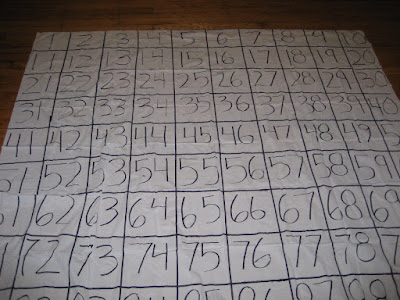
4) Trace the letters and say the word
5) Flip your spelling list over and visualize the word
6) Write the word without looking at your list.
Spelling Homework
During my 6th grade internship I created "Spelling Bingo" for an alternative to spelling worksheets. I created a 5x5 table and filled each square with a spelling activity such as the ones that follow as well as the practice procedure above. One activity was in each square and students were required to complete 5 activities before the end of the week to get 5 in a row, column, or diagonal!
Spelling Game- Sparkle
1. Have students sit on top of their desks.
2. Give them a word to spell and pass a ball to one student. Everyone repeats the whole word. Then the student with the ball says the first letter and passes the ball on to the person next to them who says the second letter. This goes on until the word is spelled.
3. When the word is spelled the next person repeats the word, the person after them says sparkle, and the person after them sits down.
2. Give them a word to spell and pass a ball to one student. Everyone repeats the whole word. Then the student with the ball says the first letter and passes the ball on to the person next to them who says the second letter. This goes on until the word is spelled.
3. When the word is spelled the next person repeats the word, the person after them says sparkle, and the person after them sits down.
4. If any letter is incorrect that student sits down, writes the word 20 times as quickly as possible and then sits back on their desk.
Spelling Games Online
Enter your spelling words and play games with them.
Other Fun Spelling Ideas (Adapted from Michele McCoy)
1. Paint with water- Dip a Q-tip in water and practice spelling the words on a chalkboard. The words will disappear like magic, leaving the chalkboard clean!
2. Shaving Cream Practice- An easy way to clean those dirty work tables clean is to let the children finger paint on the table tops. Have the students practice their spelling words in the shaving cream.
3. Scratch n' Sniff- Use a new sensation to teach the alphabet or spelling words. Write letters with glue on paper, then sprinkle with Jell-O. Makes a super scratch n' Sniff when tracing over the letters.
4. Fishing for Words- On 3" x 5" cards print letters. Place the cards in a plastic swimming pool. Using a toy fishing pole or a long stick, place a magnet on the string. The students go fishing for letters and must spell their spelling words.
5. Finger Paint Bags- Freezer strength zip lock bags and fingerprint make great writing slates. Place a dab of finger paint (tempera paint can work, although, not as well. Hey, look! A use for all that semi-dried up paint!) in the zip-lock bag, tape the bag closed for extra strength. The student then lays the bag flat on the table and writes the word on the bag with a finger. The word will disappear like magic.
6. Record a Word- Have students use a tape recorder to practice their spelling words.
7. Disappearing Act- Help your students perform a real disappearing act. Children write their spelling words with chalk on black construction paper. Then you can spray and watch their words disappear and return.
8. Flannel Board Practice- Students use a flannel board and flannel board letters to practice their spelling words.
9. Scrabble Spelling- Place the wooden letter squares from an old Scrabble game on the Scrabble rail. Students can use the squares to spell the weekly words or to write a sentence of words. Incorporate math practice by having them add the number values printed on the squares to find the week's "most valuable word."
10. Spelling Magic- Try a little magic to teach spelling words! Have students write words on white construction paper with white crayon. Then have them paint over the paper with watered down tempera paint or watercolors. Words appear like magic!
11. Partner Word Step- On large piece of butcher paper print the letters of the alphabet. Have two partners pair up together to play this game. Have one student read the word aloud. The other child must step on the letters to spell the word.
12. Egg Spellers- The teacher writes the weekly spelling words on small pieces of paper and places them inside plastic eggs. (Now you know what to do with all those plastic Easter eggs after your kids are bored with them. ) Students pick the eggs from an Easter basket. The students then must write that word.
13. Take the Pepsi Challenge- For a motivational technique, "Take the Pepsi Challenge!" Each student has a Pepsi cup. When Friday's spelling test is returned, he writes words he misses on a card and places it in his cup. When we have our review test, students are re-tested on the same words. Anyone who has a perfect score on all the unit tests and keeps his cup empty wins a Pepsi! Give a Pepsi also for perfect scores on review tests.
14. Spelling Puzzles- Write the spelling words on different colors of tag board. Cut the words apart in a variety of ways. The students then put the puzzle back together to form the spelling words.
15. Q-Tip Eraser- Write the spelling words on the chalkboard. The students then erase the words by tracing over them again and again with a Q-tip until the words are erased.
16. Spelling Bingo- The teacher gives a blank bingo card for a fun activity to take the place of your traditional pretest. As the teacher reads each word, students write it in a space of their choice. After giving all the words, I call words randomly until someone calls, "BINGO!" The winner must say and spell the words that gave him the win. I would play in partners or small groups so that students get more practice spelling.
17. Spelling Dice- The teacher writes the weekly spelling words on dice made from inverted milk cartons. The student rolls the dice and whatever the dice lands on they write 5 times.
18. Musical Words- A word skill game that is played like musical chairs. The teacher places the spelling words on small pieces of paper in a large box or bag. The children sit in a circle, and start passing the box around while music plays. Whoever has the container when the music stops must pick out the paper and hand it to the teacher. The teacher will read the word and the student must spell it. If he can't, he is out. Continue to play until there is only one person left.
19. Transparency Show Off- The teacher makes a transparency of regular lined paper. The students practice writing their spelling words on the transparency. The students then show off their work on the overhead projector for all to see.
20. Individual Chalkboards- Have the students practice writing their spelling words on small chalkboards. They love it!
21. Tissue Paper Tracing- The teacher writes the weekly spelling words on a large piece of paper. The students then place tissue paper over the words and trace over them with crayon.
22. Magnetic Cookie Sheet- The teacher arranges assorted magnet letters on a cookie sheet. Students use the letters to form the weekly spelling words.
23. Overhead Posters- The teacher makes a transparency of the weekly spelling words. The list is then shown on the wall. A piece of butcher paper is taped to the wall. The student then traces the spelling words onto the butcher paper.
24. Typewriter Fun- Have the students write their spelling words ten times each on the typewriter. (Or try it on your classroom computer. If you're brave you can use your graphics software! Kid Pix is perfect for this.). Then have them write a silly story using all the spelling words.
25. Paint Your Words- Have the students use small paint brushes to paint their words 5 times each.
26. Sand Box Spelling- The teacher pours sand in the lid of a box (approx. 1/4"). The student then practices the words in the sand.
27. Alpha-Bit Spelling- Students use cereal to reproduce their spelling words. Don't forget to have a snack with the words you make.
28. Pudding Practice- Try using instant pudding as finger paint to practice spelling words.
29. Pyramid Power- Give your students a weekly spelling assignment with a different twist. Have students write their words in order of difficulty. They write their easiest word once at the top of the paper near the middle, the next easiest twice, and so on. Students will have a pyramid shape when they are finished.
30. Portable Slates- Portable slates make a great spelling game. The teacher calls out a spelling word and the students write answers, hold up their slates to be checked, then wipe them off with tissue.
31. Sandy Words- Have students write their spelling words in glue, sprinkle sand over the glue. The students then trace over the words with their fingers for practice. They make terrific flash cards!
32. Rainbow Words- Have the students practice words with felt pens, alternate colors for a rainbow look.
33. Put It In Print- Have the students cut out the letters from a newspaper to spell the weekly spelling words.
34. Round About Flash cards- Have students decorate a paper pate. Cut a slice out of the paper plate so it looks like a slice of pie cut out of the plate. Brad around piece of paper to the back. Then write the weekly spelling words in the window. The students turn the wheel and practice saying the word.
35. Spelling Squares- Students practice their words on graphing paper. The students use 1 box for each letter. Have the students figure out which spelling word is in the shortest, longest, etc. . .
2. Shaving Cream Practice- An easy way to clean those dirty work tables clean is to let the children finger paint on the table tops. Have the students practice their spelling words in the shaving cream.
3. Scratch n' Sniff- Use a new sensation to teach the alphabet or spelling words. Write letters with glue on paper, then sprinkle with Jell-O. Makes a super scratch n' Sniff when tracing over the letters.
4. Fishing for Words- On 3" x 5" cards print letters. Place the cards in a plastic swimming pool. Using a toy fishing pole or a long stick, place a magnet on the string. The students go fishing for letters and must spell their spelling words.
5. Finger Paint Bags- Freezer strength zip lock bags and fingerprint make great writing slates. Place a dab of finger paint (tempera paint can work, although, not as well. Hey, look! A use for all that semi-dried up paint!) in the zip-lock bag, tape the bag closed for extra strength. The student then lays the bag flat on the table and writes the word on the bag with a finger. The word will disappear like magic.
6. Record a Word- Have students use a tape recorder to practice their spelling words.
7. Disappearing Act- Help your students perform a real disappearing act. Children write their spelling words with chalk on black construction paper. Then you can spray and watch their words disappear and return.
8. Flannel Board Practice- Students use a flannel board and flannel board letters to practice their spelling words.
9. Scrabble Spelling- Place the wooden letter squares from an old Scrabble game on the Scrabble rail. Students can use the squares to spell the weekly words or to write a sentence of words. Incorporate math practice by having them add the number values printed on the squares to find the week's "most valuable word."
10. Spelling Magic- Try a little magic to teach spelling words! Have students write words on white construction paper with white crayon. Then have them paint over the paper with watered down tempera paint or watercolors. Words appear like magic!
11. Partner Word Step- On large piece of butcher paper print the letters of the alphabet. Have two partners pair up together to play this game. Have one student read the word aloud. The other child must step on the letters to spell the word.
12. Egg Spellers- The teacher writes the weekly spelling words on small pieces of paper and places them inside plastic eggs. (Now you know what to do with all those plastic Easter eggs after your kids are bored with them. ) Students pick the eggs from an Easter basket. The students then must write that word.
13. Take the Pepsi Challenge- For a motivational technique, "Take the Pepsi Challenge!" Each student has a Pepsi cup. When Friday's spelling test is returned, he writes words he misses on a card and places it in his cup. When we have our review test, students are re-tested on the same words. Anyone who has a perfect score on all the unit tests and keeps his cup empty wins a Pepsi! Give a Pepsi also for perfect scores on review tests.
14. Spelling Puzzles- Write the spelling words on different colors of tag board. Cut the words apart in a variety of ways. The students then put the puzzle back together to form the spelling words.
15. Q-Tip Eraser- Write the spelling words on the chalkboard. The students then erase the words by tracing over them again and again with a Q-tip until the words are erased.
16. Spelling Bingo- The teacher gives a blank bingo card for a fun activity to take the place of your traditional pretest. As the teacher reads each word, students write it in a space of their choice. After giving all the words, I call words randomly until someone calls, "BINGO!" The winner must say and spell the words that gave him the win. I would play in partners or small groups so that students get more practice spelling.
17. Spelling Dice- The teacher writes the weekly spelling words on dice made from inverted milk cartons. The student rolls the dice and whatever the dice lands on they write 5 times.
18. Musical Words- A word skill game that is played like musical chairs. The teacher places the spelling words on small pieces of paper in a large box or bag. The children sit in a circle, and start passing the box around while music plays. Whoever has the container when the music stops must pick out the paper and hand it to the teacher. The teacher will read the word and the student must spell it. If he can't, he is out. Continue to play until there is only one person left.
19. Transparency Show Off- The teacher makes a transparency of regular lined paper. The students practice writing their spelling words on the transparency. The students then show off their work on the overhead projector for all to see.
20. Individual Chalkboards- Have the students practice writing their spelling words on small chalkboards. They love it!
21. Tissue Paper Tracing- The teacher writes the weekly spelling words on a large piece of paper. The students then place tissue paper over the words and trace over them with crayon.
22. Magnetic Cookie Sheet- The teacher arranges assorted magnet letters on a cookie sheet. Students use the letters to form the weekly spelling words.
23. Overhead Posters- The teacher makes a transparency of the weekly spelling words. The list is then shown on the wall. A piece of butcher paper is taped to the wall. The student then traces the spelling words onto the butcher paper.
24. Typewriter Fun- Have the students write their spelling words ten times each on the typewriter. (Or try it on your classroom computer. If you're brave you can use your graphics software! Kid Pix is perfect for this.). Then have them write a silly story using all the spelling words.
25. Paint Your Words- Have the students use small paint brushes to paint their words 5 times each.
26. Sand Box Spelling- The teacher pours sand in the lid of a box (approx. 1/4"). The student then practices the words in the sand.
27. Alpha-Bit Spelling- Students use cereal to reproduce their spelling words. Don't forget to have a snack with the words you make.
28. Pudding Practice- Try using instant pudding as finger paint to practice spelling words.
29. Pyramid Power- Give your students a weekly spelling assignment with a different twist. Have students write their words in order of difficulty. They write their easiest word once at the top of the paper near the middle, the next easiest twice, and so on. Students will have a pyramid shape when they are finished.
30. Portable Slates- Portable slates make a great spelling game. The teacher calls out a spelling word and the students write answers, hold up their slates to be checked, then wipe them off with tissue.
31. Sandy Words- Have students write their spelling words in glue, sprinkle sand over the glue. The students then trace over the words with their fingers for practice. They make terrific flash cards!
32. Rainbow Words- Have the students practice words with felt pens, alternate colors for a rainbow look.
33. Put It In Print- Have the students cut out the letters from a newspaper to spell the weekly spelling words.
34. Round About Flash cards- Have students decorate a paper pate. Cut a slice out of the paper plate so it looks like a slice of pie cut out of the plate. Brad around piece of paper to the back. Then write the weekly spelling words in the window. The students turn the wheel and practice saying the word.
35. Spelling Squares- Students practice their words on graphing paper. The students use 1 box for each letter. Have the students figure out which spelling word is in the shortest, longest, etc. . .
36. Rainbow chains- Rainbow chains are a great way of keeping track of the words a student knows. The student writes the words he successfully spelled on Friday's final test on a construction paper chain. The children love to see their chains grow! These can be displayed around the room and put together to form one long chain- so no one feels sad if they have a short chain. You could also make chain links for only the words that everyone spells correctly.
37. Pipe cleaners - Children use these to form their spelling words.
38. Toothpicks - Same as above.
39. Alphabet Stamps
40. Word collage - They design a collage using all of their words using markers, colored pencils etc.
41. Design a word - They pick one word and bubble letter it and design it.
42. Magazine letters - They find the letters in a magazine and glue them onto construction paper.
43. Play dough - I have cookie cutters that are letters of the alphabet. The kids also like to form the dough itself into letters.
37. Pipe cleaners - Children use these to form their spelling words.
38. Toothpicks - Same as above.
39. Alphabet Stamps
40. Word collage - They design a collage using all of their words using markers, colored pencils etc.
41. Design a word - They pick one word and bubble letter it and design it.
42. Magazine letters - They find the letters in a magazine and glue them onto construction paper.
43. Play dough - I have cookie cutters that are letters of the alphabet. The kids also like to form the dough itself into letters.